Silent Sky - September 11 - September 14, 2025
Wylie ISD
Biographies
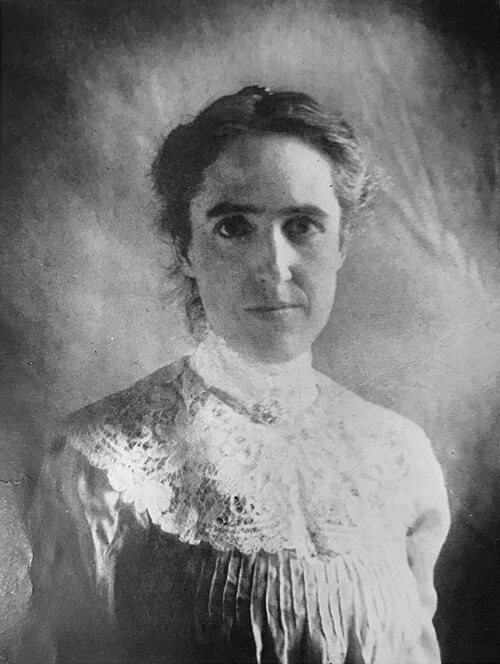
Henrietta Swan Leavitt was an American Astronemer known for her discovery of the period - luminosity relationship for Cepheid variable stars, a foundational principle that allows astronomers to measure vast cosmic distances. Working at the Harvard College Observatory as a "computer," she meticulously analyzed photographic plates, cataloging over 2,400 variable stars, including 1,777 in the Magellanic Clouds. Her discovery, known as the Leavitt Law, became crucial for Edwin Hubble's measurements of other galaxies, fundamentally expanding our understanding of the universe's scale.
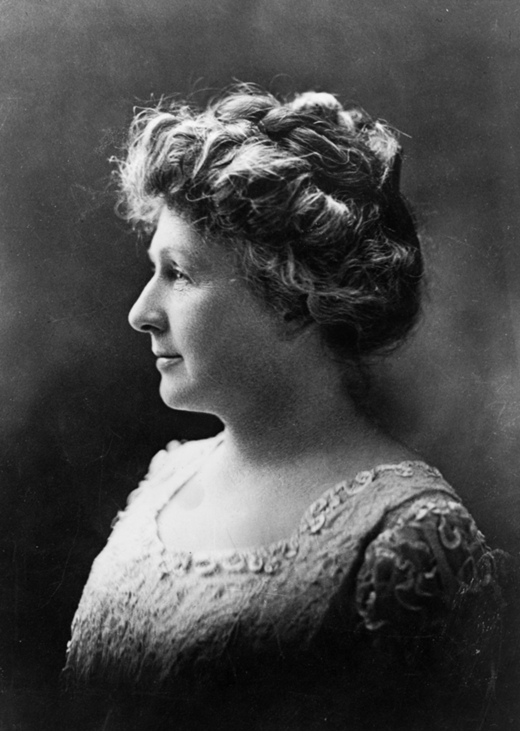
Annie Jump Cannon (1863–1941) was an American astronomer who developed the Harvard spectral classification system, the first comprehensive method for classifiying stars by temperature and spectral type, used globally to this day. She worked at the Harvard College Observatory for 44 years, cataloging over 350,000 stars and discovering 300 variable stars and five novae. A trailblazer for women in science, Cannon was the first woman to receive an honorary degree from Oxford University and served as an American Astronomical Society officer, leaving a lasting legacy in astronomy.
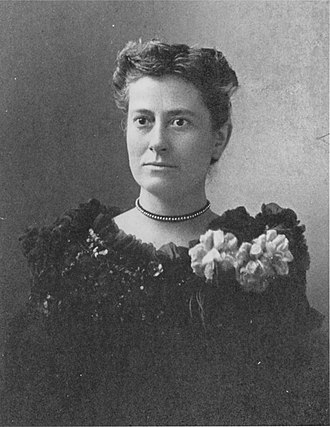
Williamina Fleming was a Scottish - American astronomer renowned for developing a star classification system and cataloging thousands of stars at the Harvard College Observetory.After being abandoned by her husband in Boston, she worked as a housekeeper for the observatory's director, Edward C. Pickering, who recognized her talent and hired her as one of the "Harvard Computers". Her groundbreaking work on stellar spectra led to the discovery of the Horsehead Nebula and the identification of the first white dwarf star, and she became the first American woman elected to the Royal Astronomical Society.
Page 5 of 6

